


Healthy skin starts with consistent care, suitable products, and a routine that matches your skin type. Whether you have oily, dry, combination, or sensitive skin, following the right skincare habits can help maintain your skin’s natural barrier, improve hydration, and protect it from everyday environmental damage. However, choosing products without understanding their purpose can make skincare confusing, especially for beginners.
Learning the correct skincare routine steps makes it easier to build a simple and effective daily schedule. A good routine does not require dozens of products or expensive treatments. Instead, it focuses on essential practices such as cleansing, moisturizing, and applying sunscreen during the day. Additional products, including serums and exfoliants, can be introduced according to your individual concerns and skin tolerance. The key is to start with the basics, use products consistently, and give your skin enough time to adjust.
Understand Your Skin Type
Before choosing skincare products, identify your skin type. This helps you select formulas that support your skin without causing unnecessary dryness, oiliness, or irritation. Skin types generally include normal, dry, oily, combination, and sensitive skin. Your skin may also become temporarily drier or oilier because of weather changes, hormonal fluctuations, medications, or environmental conditions.
Oily skin often produces excess sebum and may appear shiny throughout the day. Dry skin can feel tight, rough, or flaky, while combination skin commonly has an oily forehead, nose, and chin with drier cheeks. Sensitive skin may react to fragrances, strong active ingredients, or harsh cleansers. Normal skin generally feels comfortable without excessive oiliness or dryness.
Observe how your skin feels after gentle cleansing and throughout the day. Choose lightweight, non-comedogenic products if you are prone to clogged pores, and fragrance-free formulas if your skin is easily irritated. Remember that your skin’s needs can change over time, so review your routine whenever you notice persistent discomfort or unusual changes.
Start Your Morning Routine With a Gentle Cleanser
Cleansing removes excess oil, sweat, and residue that accumulate on the skin. It also prepares your face for moisturizing and sunscreen. In the morning, a gentle cleanser is usually sufficient, although some people with very dry or sensitive skin may prefer rinsing with lukewarm water instead.
Choose a cleanser based on your skin type. Gel cleansers can work well for oily skin, while cream-based or hydrating cleansers may be more comfortable for dry skin. Sensitive skin often benefits from simple formulas without strong fragrances or harsh cleansing agents. Avoid using very hot water because it can increase dryness and irritation.
Massage the cleanser gently over damp skin using your fingertips, then rinse thoroughly. There is no need to scrub aggressively or use rough towels. Pat your face dry with a clean towel instead of rubbing it. Proper cleansing should leave your skin feeling comfortable rather than tight or squeaky. If a product regularly causes burning, redness, or excessive dryness, discontinue it and consider choosing a gentler alternative.
Apply a Serum for Specific Skin Concerns
Serums are concentrated skincare products designed to address particular concerns, including uneven skin tone, dehydration, dullness, and the appearance of fine lines. They are optional rather than essential, but the right formula can complement a basic skincare routine.
Vitamin C serum is commonly used in morning routines to help improve the appearance of uneven tone and provide antioxidant support. Hyaluronic acid helps attract and retain moisture, making it useful for dehydrated skin. Niacinamide may help support the skin barrier, regulate the appearance of excess oil, and improve the look of uneven texture.
Introduce only one new serum at a time. Start with a small amount and follow the product’s instructions. If you have sensitive skin, select a lower-strength formula and test it on a small area before applying it to your face. Avoid combining multiple strong active ingredients without understanding how they interact.
Apply your serum after cleansing and before moisturizer, unless the product instructions recommend a different order. Consistency is more important than using several serums at once. A simple routine with one suitable serum can be more practical than an elaborate collection of products that irritate your skin.

Use Moisturizer to Maintain Hydration
Moisturizing is an important part of daily skincare because it helps reduce water loss and supports the skin’s protective barrier. Even oily skin needs moisture. Skipping moisturizer may leave the skin dehydrated and uncomfortable, while an appropriate formula can improve softness and reduce the feeling of tightness.
For oily or acne-prone skin, consider a lightweight gel or lotion labeled non-comedogenic. Dry skin may benefit from a richer cream containing ingredients such as ceramides, glycerin, or hyaluronic acid. Sensitive skin often responds better to fragrance-free moisturizers with a short, uncomplicated ingredient list.
Apply moisturizer while your skin is slightly damp to help retain hydration. Spread it gently over your face and neck, avoiding unnecessary rubbing around delicate areas. If your skin feels dry during the day, you may need a more nourishing formula or a small adjustment to your cleansing habits.
A good moisturizer should make your skin feel comfortable without leaving an unpleasant residue. You do not need separate expensive products for every area of your face unless you have a specific concern that requires different care.
Apply Sunscreen Every Morning
Sunscreen is one of the most important steps in a daytime skincare routine. Ultraviolet radiation contributes to sunburn, premature skin aging, uneven pigmentation, and skin cancer. Daily sun protection helps reduce these risks and supports the long-term benefits of your other skincare products.
Choose a broad-spectrum sunscreen with SPF 30 or higher. Broad-spectrum protection covers both UVA and UVB radiation. Select a texture you enjoy using, such as a lightweight fluid, lotion, cream, or gel, so that you are more likely to apply it consistently.
Apply sunscreen as the final step of your morning skincare routine, after moisturizer and before makeup. Use a generous, even layer over exposed skin, including the face, ears, neck, and other uncovered areas. Follow the label instructions and reapply approximately every two hours when outdoors, as well as after swimming, sweating, or towel drying.
Sunscreen remains important on cloudy days because ultraviolet radiation can still reach your skin. Shade, protective clothing, and a wide-brimmed hat provide additional protection. Do not rely on makeup with SPF alone unless you apply enough of it to achieve the labeled protection.
Follow a Simple Nighttime Cleansing Routine
Your evening routine removes sunscreen, makeup, sweat, and the day’s accumulated residue. Thorough but gentle cleansing helps keep the skin comfortable and prepares it for nighttime moisturizing. Removing makeup before sleeping is particularly important because leftover products may contribute to irritation or clogged pores in some individuals.
If you wear heavy makeup or water-resistant sunscreen, you may benefit from an oil cleanser or micellar water followed by a gentle facial cleanser. This method is often called double cleansing. However, it is not necessary for everyone. A single cleanser may be enough when it effectively removes your sunscreen and makeup without irritating your skin.
Avoid scrubbing your face repeatedly in an attempt to achieve a perfectly clean feeling. Over-cleansing can damage the skin barrier and contribute to dryness, redness, and sensitivity. Use lukewarm water and gentle movements, then pat your skin dry.
Try to cleanse your face before going to bed rather than leaving the task until you are exhausted. Establishing a consistent nighttime habit makes it easier to remove daily buildup and complete the remaining steps without rushing.
Consider Targeted Nighttime Treatments
Nighttime can be a convenient opportunity to use targeted skincare treatments. Depending on your needs, these may include retinoids, acne treatments, or gentle exfoliating products. However, treatment products are optional, and beginners should establish a basic cleansing and moisturizing routine before introducing stronger ingredients.
Retinoids may help improve acne and the appearance of fine lines, but they can also cause dryness, peeling, and irritation. Introduce them gradually according to the product instructions and use moisturizer to support skin comfort. Topical retinoids should generally be avoided during pregnancy; consult a healthcare professional about suitable alternatives if you are pregnant or planning pregnancy.
Exfoliating ingredients, including alpha hydroxy acids and beta hydroxy acids, can help remove dead skin cells and improve the appearance of uneven texture. Excessive exfoliation, however, may damage the skin barrier. Avoid introducing several strong treatments simultaneously, particularly retinoids and exfoliating acids.
If you have persistent acne, painful breakouts, or a skin condition such as eczema, seek advice from a qualified dermatologist. A targeted treatment plan can be more effective and safer than repeatedly experimenting with new products.
Finish With Nighttime Moisturizer
After cleansing and applying any suitable treatment, finish your nighttime routine with moisturizer. During the evening, a comfortable moisturizer helps reduce moisture loss and supports the skin barrier. Your nighttime product does not necessarily need to be different from your daytime moisturizer, provided it meets your skin’s needs.
People with dry skin may prefer a richer cream, especially during colder weather or in air-conditioned environments. Those with oily skin can choose a lightweight lotion or gel that provides hydration without feeling heavy. If your skin is sensitive, look for ingredients such as ceramides, glycerin, and other well-tolerated moisturizing agents.
Apply the product evenly to your face and neck. If a treatment causes dryness, using moisturizer before and after it may improve comfort, depending on the product and your skin’s tolerance. Avoid applying strong treatments to irritated or broken skin unless directed by a healthcare professional.
You do not need a separate overnight mask every evening. A simple moisturizer is often enough to maintain hydration. Focus on finding a formula that works comfortably and use it consistently rather than frequently changing products.
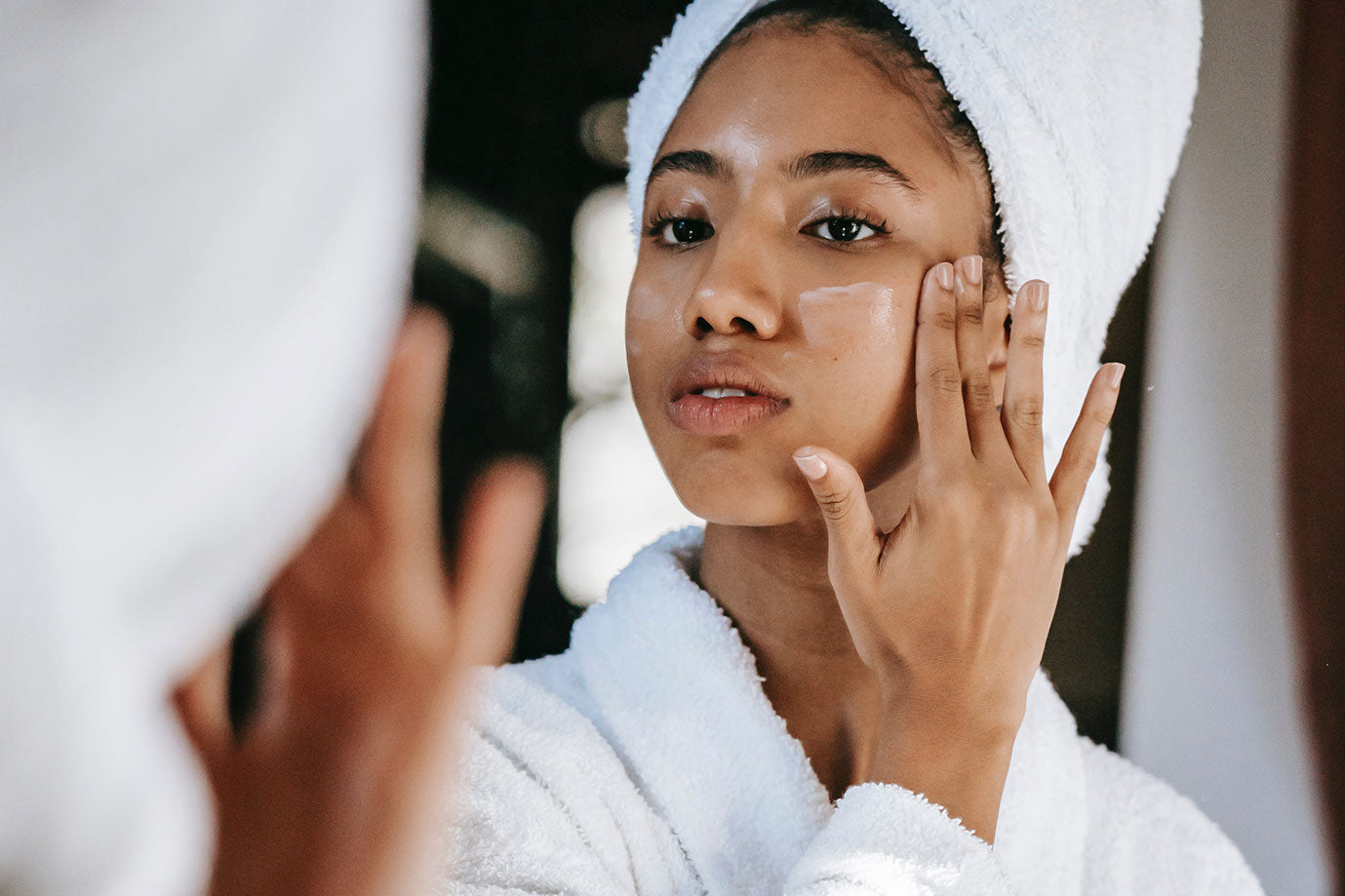
Skincare Routine Steps for Different Skin Types
The best skincare schedule depends on your skin’s characteristics and concerns. Although the basic order remains similar, product textures and treatment choices may differ. Someone with dry skin may need a richer moisturizer, while someone with oily skin may prefer lighter formulas.
| Skin Type | Recommended Cleanser | Moisturizer | Additional Consideration |
|---|---|---|---|
| Oily skin | Gentle gel cleanser | Lightweight, non-comedogenic lotion | Consider niacinamide if suitable |
| Dry skin | Hydrating cream cleanser | Rich cream with ceramides | Avoid excessive cleansing |
| Combination skin | Gentle balanced cleanser | Lightweight lotion or cream | Adjust products to different areas |
| Sensitive skin | Mild, fragrance-free cleanser | Simple, fragrance-free moisturizer | Introduce products slowly |
| Acne-prone skin | Gentle cleanser | Non-comedogenic moisturizer | Consider evidence-based acne treatments |
These recommendations are general guidelines rather than strict rules. Two people with the same skin type may respond differently to identical products. Patch testing new products and monitoring your skin’s response can help you identify what works best.
Common Skincare Mistakes to Avoid
Even well-intentioned habits can interfere with skin comfort. One common mistake is using too many products at once. Layering multiple acids, retinoids, scrubs, and strong serums may increase irritation without delivering better results. A gradual approach makes it easier to identify helpful ingredients and avoid unnecessary reactions.
Another mistake is skipping sunscreen or applying too little. Sun protection is particularly important when using treatments that may increase irritation or sensitivity to sunlight. Similarly, using harsh cleansers or washing your face too frequently can strip away protective oils and worsen dryness.
Avoid squeezing pimples, picking at blemishes, or scrubbing flaky areas. These habits can increase inflammation and raise the risk of marks or scarring. Do not assume that tingling, burning, or peeling means a product is working. Persistent discomfort may indicate irritation rather than effectiveness.
Other useful habits include:
- Introduce one new product at a time.
- Check product expiration dates and storage instructions.
- Clean makeup brushes and reusable facial tools regularly.
- Avoid sharing personal skincare products.
- Maintain realistic expectations and allow time for results.
- Consult a dermatologist when irritation or acne persists.
How Long Does a Skincare Routine Take to Work?
Skincare results depend on the product, the concern being treated, and your skin’s individual response. Moisturizers may improve dryness and softness relatively quickly, while changes in acne, uneven pigmentation, or skin texture often require several weeks or longer.
For acne treatments, noticeable improvement may take approximately six to eight weeks, although some treatments require more time. Pigmentation and signs of photoaging can take several months to improve, and results vary. Sunscreen provides protection when applied correctly, but it cannot reverse all existing sun damage.
Keep your routine consistent and avoid switching products every few days. Consider taking photographs in similar lighting conditions if you want to monitor gradual changes. If a product causes severe burning, swelling, blistering, or a significant rash, stop using it and seek appropriate medical advice.
A routine should improve your skin’s comfort rather than become a source of stress. There is no requirement to achieve flawless skin. The most useful approach is one that supports your skin barrier, addresses your main concerns, and fits comfortably into your daily life.
Conclusion
Building healthy skin habits does not require complicated treatments or an extensive collection of beauty products. The most effective approach begins with understanding your skin type and choosing suitable products for cleansing, hydration, and protection. Additional serums and treatments can be introduced gradually when they address a specific concern.
Following consistent skincare routine steps helps you create a practical morning and evening schedule that supports your skin’s natural barrier. Cleanse gently, moisturize regularly, use broad-spectrum sunscreen during the day, and avoid unnecessary irritation from excessive exfoliation or too many active ingredients.
Remember that skincare is personal, and what works for one individual may not work for another. Pay attention to your skin’s response, make gradual adjustments, and seek professional guidance when needed. With patience and consistency, a simple routine can help maintain comfortable, healthy-looking skin over time.