
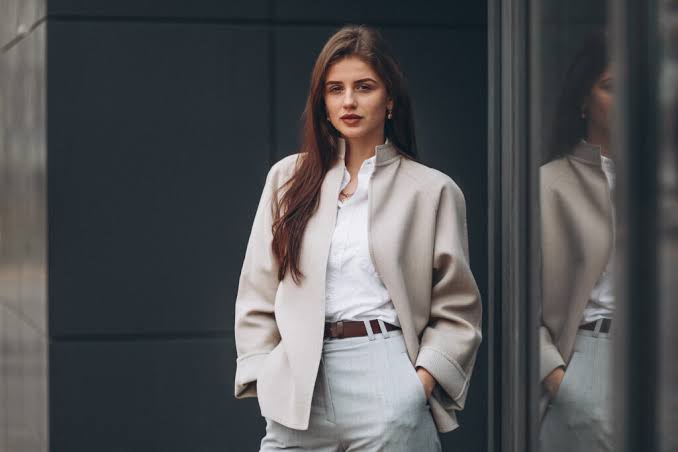

Introduction to Luxury Fashion
Luxury fashion represents elegance, creativity, craftsmanship, and personal expression. It goes beyond expensive clothing and famous designer labels, focusing on quality materials, thoughtful designs, attention to detail, and a distinctive sense of style. From beautifully tailored suits and elegant evening dresses to premium handbags, footwear, and accessories, luxury fashion offers a wide range of options for people who appreciate refined dressing. It also reflects changing cultural influences, artistic movements, and individual lifestyles.
In today’s fashion industry, luxury is no longer defined only by price or exclusivity. Consumers increasingly value comfort, durability, originality, and responsible production. Many shoppers prefer versatile pieces that remain stylish for years rather than purchasing new outfits for every trend. This shift has encouraged designers to combine traditional craftsmanship with contemporary silhouettes, innovative textiles, and modern styling techniques. Understanding the principles of luxury dressing can help anyone develop a sophisticated wardrobe that balances personal taste, practicality, and timeless appeal.
What Defines Luxury Fashion?
Luxury fashion is distinguished by the quality of its materials, the skill involved in production, and the creative vision behind each design. High-end garments may feature carefully selected wool, silk, cashmere, leather, linen, and other premium materials. Skilled artisans pay attention to stitching, finishing, construction, and fit to create products that look refined and feel comfortable. These details can make a noticeable difference in how a garment drapes, performs, and ages over time.
Another important characteristic is design identity. Established fashion houses often develop recognizable styles through signature silhouettes, distinctive patterns, innovative tailoring, and carefully crafted accessories. However, luxury does not require wearing visible logos or choosing the most expensive item available. Understated clothing with excellent construction can communicate sophistication just as effectively. For many modern consumers, genuine elegance comes from selecting pieces that complement their personality and lifestyle rather than following every seasonal trend.
The Evolution of Luxury Fashion
The history of luxury clothing includes royal wardrobes, traditional craftsmanship, European couture, and the development of international designer houses. Historically, elaborate fabrics, intricate embroidery, and custom-made garments demonstrated wealth and social position. As textile production and global trade developed, luxury clothing became associated with specialist designers, exclusive collections, and distinctive methods of garment construction.
During the twentieth century, fashion designers introduced new silhouettes and transformed how people dressed for work, travel, celebrations, and everyday life. Haute couture became an important expression of artistic creativity, while ready-to-wear collections made designer aesthetics available to a wider audience. In the modern era, digital shopping, celebrity culture, social media, and international fashion weeks have expanded the industry’s global reach.
Today, luxury fashion combines heritage with innovation. Designers reinterpret archival pieces, experiment with new materials, and respond to changing consumer expectations. Contemporary collections may include traditional tailoring alongside relaxed streetwear, minimalist essentials, statement accessories, and gender-inclusive designs. This evolution demonstrates how luxury can preserve its craftsmanship while adapting to new generations and changing lifestyles.
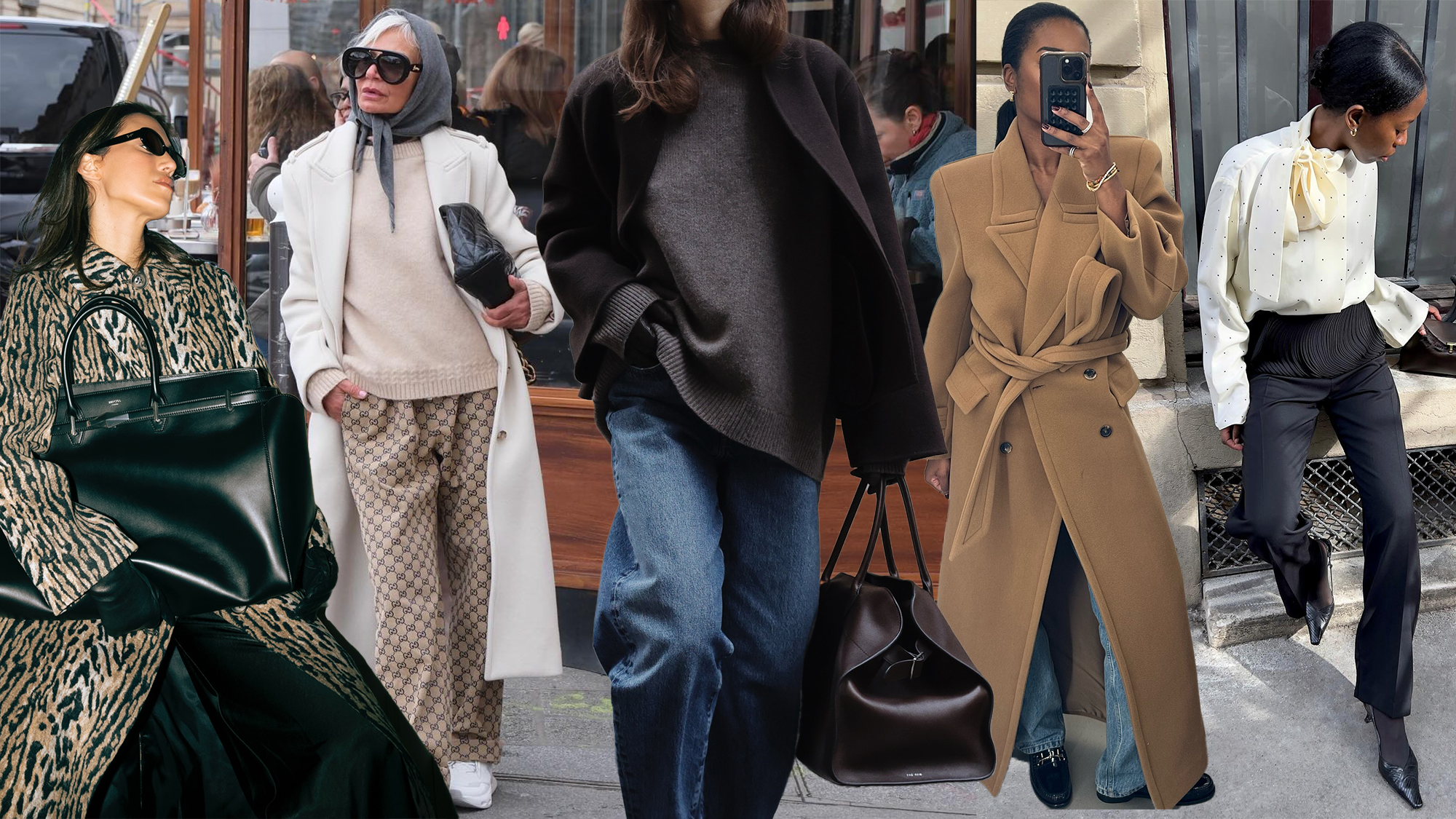
Popular Trends in Modern Luxury Fashion
Modern luxury style offers a variety of directions, allowing consumers to choose clothing that reflects their preferences. Some people favor clean lines and neutral colors, while others enjoy expressive prints, bold accessories, and experimental silhouettes. The most successful approach is to understand current trends without allowing them to replace personal style.
Several trends continue to influence premium clothing and accessories:
- Quiet luxury: Minimal branding, neutral colors, excellent fabrics, and understated designs.
- Relaxed tailoring: Looser blazers, wide-leg trousers, structured shirts, and comfortable suits.
- Statement accessories: Distinctive handbags, sculptural jewelry, elegant belts, and premium footwear.
- Modern classics: Trench coats, tailored jackets, simple dresses, and well-fitted denim.
- Textural dressing: Combinations of leather, wool, silk, cashmere, and other contrasting materials.
- Vintage inspiration: Classic silhouettes and carefully selected pre-owned designer pieces.
- Versatile layering: Lightweight knitwear, coats, shirts, and jackets that work across seasons.
These trends show that sophistication can take many forms. Rather than purchasing every new collection, shoppers can choose a few relevant pieces that complement their existing wardrobe. A carefully selected jacket or handbag may offer more long-term value than several items that quickly lose their appeal.
Essential Clothing Pieces for a Luxury Wardrobe
A sophisticated wardrobe begins with versatile essentials. These garments can be combined in different ways, making everyday dressing easier while maintaining a polished appearance. Instead of focusing exclusively on designer names, shoppers should consider fit, construction, comfort, and how frequently each item will be worn.
A tailored blazer is a useful starting point because it can complement trousers, skirts, dresses, and jeans. A well-made white shirt offers similar flexibility, working for professional settings as well as relaxed occasions. Tailored trousers, a classic coat, a versatile dress, and comfortable premium knitwear can provide the foundation for numerous outfits. Neutral shades such as black, navy, cream, grey, and camel are particularly easy to coordinate.
Accessories also contribute significantly to the overall look. A structured handbag, leather belt, understated watch, or pair of well-made shoes can make a simple outfit appear more considered. The goal is to build a coordinated collection rather than accumulate disconnected purchases. When each item works with several others, the wardrobe becomes more practical, cohesive, and adaptable.
Luxury Fabrics and Craftsmanship
Fabric quality plays a central role in how premium clothing looks and feels. Natural fibers such as wool, silk, linen, and cashmere are valued for their distinctive textures and performance characteristics. However, the quality of a finished garment depends on more than the fiber itself. Weaving, knitting, finishing, stitching, and construction all influence the final result.
| Fabric | Key Characteristics | Common Uses |
|---|---|---|
| Cashmere | Soft, lightweight, and insulating | Sweaters, scarves, coats |
| Silk | Smooth, fluid, and lustrous | Blouses, dresses, scarves |
| Fine wool | Structured, breathable, and versatile | Suits, trousers, coats |
| Linen | Lightweight and breathable | Summer shirts, trousers, dresses |
| Premium cotton | Comfortable and adaptable | Shirts, knitwear, everyday essentials |
| Leather | Durable and develops character with care | Shoes, belts, handbags, jackets |
Craftsmanship is equally important. Neat seams, balanced proportions, secure buttons, clean hems, and carefully finished edges can indicate thoughtful construction. Consumers should also examine whether a garment fits comfortably and maintains its shape when worn. Even an expensive item may disappoint if its design, materials, or construction do not meet expectations.
How to Style Luxury Outfits for Different Occasions
Elegant dressing does not require a completely different wardrobe for every event. With thoughtful combinations, a few quality garments can create suitable outfits for professional meetings, social gatherings, travel, and formal celebrations.
For work, a tailored blazer, a neutral shirt, straight-leg trousers, and polished shoes create a confident appearance. For casual occasions, premium denim paired with a fine-knit sweater, minimalist sneakers, and a structured bag offers a relaxed but refined look. Evening events may call for a well-cut dress, a tailored suit, elegant footwear, and carefully chosen jewelry.
For weddings and formal celebrations, fabric, fit, color coordination, and appropriate accessories become especially important. In warmer climates, breathable fabrics and lighter colors can provide comfort without sacrificing elegance. During colder seasons, wool coats, layered knitwear, and leather accessories add depth and practicality.
A useful styling principle is to balance statement pieces with simpler garments. If an outfit includes a bold jacket or distinctive handbag, keeping the remaining elements understated can create a more harmonious result. Confidence, comfort, and attention to proportion are often more effective than wearing numerous expensive items together.
Choosing Luxury Accessories
Accessories provide an opportunity to express individuality without replacing an entire wardrobe. Handbags, footwear, watches, sunglasses, belts, scarves, and jewelry can introduce texture, color, and personality to otherwise simple outfits. Their usefulness depends on design, construction, comfort, and how well they complement existing clothing.
Before purchasing an accessory, consider its intended purpose. A neutral handbag may suit everyday use, while a smaller evening bag may be appropriate for formal occasions. Comfortable shoes that coordinate with several outfits can offer greater practical value than a distinctive pair that rarely leaves the closet. Jewelry can also be selected according to personal preferences, ranging from subtle designs to more dramatic statement pieces.
Consumers should pay attention to materials, hardware, stitching, warranties, and care requirements. It is also sensible to research a product’s authenticity when purchasing designer accessories, particularly through resale platforms or independent sellers. A thoughtful purchase should satisfy both aesthetic preferences and practical needs.
Sustainability and Responsible Luxury Shopping
Sustainability has become an important consideration for consumers interested in premium clothing. Durable products can remain in use for years when they are well made and properly maintained. Buying fewer, more versatile items may reduce unnecessary consumption, especially when shoppers avoid purchases driven solely by short-lived trends.
Responsible shopping involves considering how garments are manufactured, where materials come from, and whether brands provide credible information about their production practices. Some companies invest in traceable materials, repair services, recycled textiles, or improved manufacturing processes. However, sustainability claims should be evaluated carefully rather than accepted simply because a product carries a premium price.
Pre-owned shopping offers another way to explore designer clothing and accessories. Vintage stores and resale marketplaces may provide access to distinctive pieces at different price points. Buyers should examine product condition, seller reputation, return policies, and authenticity guarantees before completing a purchase.
Simple habits can also extend the useful life of a wardrobe:
- Follow garment care labels and use appropriate cleaning methods.
- Store knitwear carefully to preserve its shape.
- Protect leather products from excessive moisture and heat.
- Repair loose buttons, damaged seams, and worn components when practical.
- Donate, resell, or responsibly pass on clothing that is no longer needed.
Responsible ownership makes fashion more intentional and helps consumers appreciate the long-term value of the products they choose.
How to Build a Luxury Wardrobe on a Budget
An elegant wardrobe does not necessarily require unlimited spending. Shoppers can achieve a refined appearance by prioritizing fit, coordination, and fabric quality over brand recognition. Establishing a realistic budget before shopping also reduces impulse purchases and encourages more thoughtful decisions.
Begin by reviewing existing clothing and identifying missing essentials. If several outfits lack suitable footwear or a versatile jacket, addressing those gaps may be more useful than buying another occasion-specific garment. Choose a consistent color palette so that new purchases coordinate with items already owned.
Compare products across different brands and price ranges, paying attention to construction, return policies, and expected use. Seasonal sales and reputable resale platforms may offer opportunities to find quality items at lower prices. Nevertheless, a discounted purchase is only worthwhile when the item fits properly and serves a genuine purpose.
A practical purchasing checklist includes:
- Set a spending limit before browsing.
- Identify the wardrobe gap the item will fill.
- Check fabric composition, stitching, and finishing.
- Confirm sizing, comfort, and care requirements.
- Consider how the item works with at least three existing outfits.
- Compare the price with its expected frequency of use.
This approach encourages long-term wardrobe planning rather than spending based on temporary excitement.
The Future of Luxury Fashion
The future of premium fashion will likely continue to combine creativity, technology, craftsmanship, and changing consumer values. Digital showrooms, virtual styling tools, personalized shopping experiences, and improved product information are changing how consumers discover and evaluate clothing. At the same time, traditional skills such as tailoring, embroidery, leatherworking, and textile development remain important to the identity of established fashion houses.
Consumers are also paying greater attention to authenticity, resale value, durability, and the environmental effects of production. These priorities encourage brands to communicate more clearly about materials, manufacturing, and after-sales services. Younger shoppers may combine designer accessories with affordable basics, vintage garments, or contemporary streetwear, creating individual styles that do not depend on a single label.
Innovation does not mean abandoning tradition. Instead, the strongest brands can use modern tools while preserving the techniques and creative principles that distinguish their products. As tastes continue to change, personal expression, thoughtful purchasing, and quality construction are likely to remain central to the appeal of premium clothing.
Conclusion
Luxury fashion is ultimately about more than prestigious labels or high prices. It brings together quality materials, skilled craftsmanship, thoughtful styling, and individual expression. A successful wardrobe can include timeless essentials, carefully selected accessories, contemporary trends, and responsibly purchased pieces that suit everyday needs.
By understanding fabrics, evaluating construction, choosing versatile colors, and shopping with a clear budget, consumers can develop a sophisticated personal style without unnecessary spending. Whether dressing for professional occasions, social events, or relaxed weekends, the most effective approach is to prioritize comfort, fit, durability, and confidence. When clothing reflects personal taste and serves a practical purpose, elegance becomes a lasting part of everyday life.