
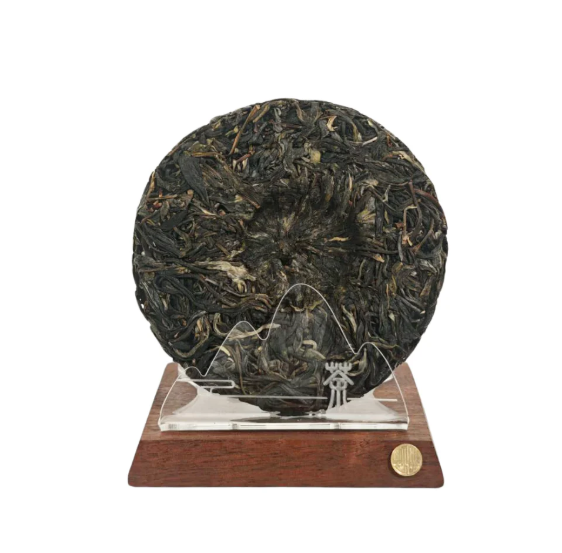

Yunnan’s unique terroir—its misty highlands, tropical climate, and mineral rich soils—shapes the complex flavor profile of pu erh tea from ancient tea trees. From Xishuangbanna’s warm, earthy profiles to Lincang’s cool, mineral notes, climate plays a key role in determining quality, regional differences, harvest influences, and sustainable practices. Sourced from Tea & Leaf’s rare Yunnan forests, this tea is easy to see why it captivates connoisseurs worldwide. (68 words)
Key Takeaways:
- Yunnan province’s high altitude, misty climate, and ample rainfall foster slow-growing Pu Erh leaves, enhancing depth, sweetness, and aging potential in ancient tea trees.
- Tropical soils in Xishuangbanna deliver earthy, floral notes, while Lincang’s mineral-rich highlands produce crisp, robust flavors unique to each terroir.
- Seasonal weather and sustainable harvesting preserve Yunnan’s diverse terroirs, ensuring premium Pu Erh tea with authentic, complex profiles from loose-leaf sources.
Understanding Terroir’s Role in Pu Erh Tea
Terroir in pu erh tea Yunnan Province is like the fingerprint of the land, where climate, soil composition, and microclimates come together to define the unique flavor profile and tea quality of every batch from ancient tea forests.
Altitude plays a key role, with high elevation in regions like Jingmai Mountain and Lincang slowing leaf growth. This creates concentrated earthy notes and enhances aging potential. Cooler nights at these heights build complex layers in raw pu erh.
Temperature fluctuations between day and night in Xishuangbanna stress the Camellia Sinensis var. assamica plants, known as Yunnan large-leaf or da ye zhong. Fertile red soil and mineral rich soils with balanced soil pH nourish ancient tea trees. These factors boost tea energy or cha qi, felt in the lingering hui gan aftertaste.
Interactions in tea mountains along the ancient tea horse road shape pu-erh tea’s mouthfeel and floral character. Growers in Pu’er City rely on these microclimates for superior mao cha. Comparative tastings in a gaiwan reveal how terroir sets sheng pu erh apart from other teas.
Yunnan: The Ideal Birthplace for Pu Erh
Yunnan stands as the ultimate birthplace for pu-erh tea, with regions like Xishuangbanna, Lincang, and Pu’er City boasting ancient tea mountains and the Yunnan large-leaf da ye zhong varietals that define its rich tea heritage.
These growing regions feature high elevation and diverse microclimates, from the tropical climate of Xishuangbanna to the cooler highlands around Lincang. Ancient tea trees thrive in tea forests, drawing nutrients from mineral rich soils and red soil with balanced soil ph. This unique terroir shapes the flavor profile of puer tea, offering earthy notes and floral character.
Key areas like Menghai and Jinggu host biodiverse forests where gushu tea and dashu tea grow wild. Traditional tea culture along the ancient tea horse road emphasizes manual processing, from sha qing to forming tea cakes, tea bricks, and bing cha. This preserves the tea’s aging potential and cha qi, or tea energy.
Explore pu erh knife tools for sampling raw pu erh, or use a gaiwan for comparative tastings of sheng pu erh versus shou pu erh. Regions like Jingmai Mountain and Wenshan highlight tea quality through mao cha production, blending high altitude benefits with fertile soil for superior mouthfeel and hui gan.
Climate Factors Shaping Pu Erh Quality
The climate factors in Yunnan, from the tropical climate of lower elevations to high altitude coolness, play a huge role in shaping pu erh quality and that invigorating tea energy we all crave.
In Xishuangbanna and along the Lancang River, weather influences create unique microclimates that define both raw pu erh and shu pu erh. Abundant rainfall nourishes ancient tea trees in biodiverse forests, leading to rich flavor profiles with earthy notes and floral character. These conditions enhance cha qi, the subtle energy felt in each sip.
High altitude regions near Pu’er City bring cooler temperatures and misty mornings, ideal for slow growth of gushu tea. This terroir affects tea processing, from sha qing to forming tea cakes and tea bricks. Raw pu erh from these areas gains superior aging potential, developing complexity over years.
For ripe pu erh, humid lowlands speed post-fermentation, yielding smooth mouthfeel and hui gan sweetness. Along the ancient Tea Horse Road, these climate variations foster pu-erh tea with enduring tea heritage. Brew in a gaiwan to taste how climate shapes each region’s distinct profile.
Temperature, Rainfall, and Altitude Effects
Temperature fluctuations, generous rainfall, and high altitude in Yunnan’s tea mountains create the perfect storm for exceptional pu-erh tea with a complex flavor profile.
In Jingmai Mountain and Lincang, cool nights and warm days promote balanced yunnan large-leaf varieties like da ye zhong. These shifts build mao cha with vibrant floral character and depth for tea aging. Gushu tea from ancient tea forests thrives here, gaining strength from daily temperature swings.
Rainfall from the Lancang River basin keeps soils moist in biodiverse forests, fostering ancient tea trees with robust roots. Excess water influences manual processing, ensuring clean sheng pu erh leaves. This leads to teas with lively cha qi and smooth fermentation in shou pu erh.
High elevation in Wenshan areas slows growth, concentrating minerals for tea quality. Compare taidi cha from valleys with shengtai cha from peaks through comparative tastings. These factors along the ancient tea mountains define pu erh tea’s enduring appeal.
Soil Composition and Nutrient Impact on Flavor
Yunnan’s soil composition, packed with mineral rich soils, optimal soil ph, and fertile red soil, directly impacts the earthy notes and smooth mouthfeel that make pu erh tea so special. These elements shape the flavor profile of sheng pu erh, especially in regions like Wenshan. Tea from such soils often shows a distinct camphor-like aroma with lasting sweetness.
In Yunnan Province, fertile soil red soil holds key minerals that influence hui gan, the pleasant aftertaste in raw pu-erh. The Yunnan Provincial Bureau of Standards and Measures highlights how balanced soil ph around 4.5 to 5.5 supports nutrient uptake in ancient tea trees. This leads to teas with earthy notes and subtle bitterness that resolves into sweetness.
Mineral rich soils in areas like Xishuangbanna contribute to the tea energy or cha qi felt during tasting. Growers in Wenshan note that iron and potassium levels enhance the aging potential of mao cha. Comparative tastings reveal how these soils create a velvety mouthfeel unique to puer tea.
Practical advice for enthusiasts includes brewing sheng pu erh from Wenshan in a gaiwan to highlight soil-driven flavors. Pair it with light snacks to amplify hui gan. Exploring teas from different tea mountains shows how terroir defines each region’s pu erh character.
Key Pu Erh Regions and Their Unique Terroirs
Yunnan’s key pu erh regions like Xishuangbanna, Lincang, and Pu’er City each offer distinct terroirs from unique tea mountains and ancient tea forests that define their growing regions.
These areas in Yunnan province shape puer tea through varied climate, altitude, and soil composition. Ancient tea trees, or gushu tea, thrive in biodiverse forests along the Lancang River. This terroir influences everything from flavor profile to aging potential.
Tea mountains like those in Pu’er City and Simao produce raw pu erh and shou pu erh with notable differences. Microclimates create unique tea energy, or cha qi, felt during gaiwan brewing. Comparative tastings reveal how each region’s tea heritage stands out.
From Yiwu’s gentle hui gan to Bingdao’s mineral mouthfeel, these terroirs link to the ancient tea horse road. Manual processing of mao cha preserves tea quality. Growers focus on sha qing to capture fresh notes in tea cakes and tea bricks.
Xishuangbanna’s Tropical Soils and Warm Climate
Xishuangbanna’s tropical climate and red soil along the Lancang River give pu erh tea its vibrant floral character, thanks to the Xishuangbanna Dai Autonomous Prefecture’s unique conditions.
Rich red soil with balanced soil pH supports Yunnan large-leaf varieties like da ye zhong. High rainfall and temperature fluctuations foster biodiverse forests around Lao Ban Zhang and Menghai. This yields raw pu-erh with bold floral character and lively tea energy.
Microclimates in ancient tea forests enhance raw pu erh processing. Leaves from dashu tea trees undergo light fermentation for sheng pu erh. Brew in a gaiwan to taste the bright, expanding mouthfeel with sweet hui gan.
Experts recommend comparative tastings of Xishuangbanna teas against others. Pair with san cha sessions to note the tropical influence on tea cakes. This terroir excels in teas that age with floral depth over time.
Lincang’s Highland Coolness and Minerals
Lincang’s high altitude coolness and mineral rich soils produce pu erh with deep earthy notes, especially from areas like Mengku and Xigui.
High elevation brings cooler temperatures and steady rainfall, slowing growth on ancient tea mountains in Lincang. Mineral rich soils add complexity to the flavor profile of Bingdao teas. This creates sheng pu erh known for smooth mouthfeel and lasting hui gan.
Ancient tea forests here in Xishuangbanna yield mao cha with strong tea aging potential. Post-fermentation in shou pu erh highlights earthy notes from the soil composition of Menghai. Brew Bingdao in a gaiwan to feel its focused cha qi.
Growers use manual processing to preserve Lincang’s tea quality. Try comparative tastings with pu erh knife cuts from these regions. The highland terroir suits long-term storage in bing cha or tuocha forms.
Pu’er City’s Diverse Transitional Conditions
Pu’er City, with its diverse transitional conditions, fosters Pu Erh tea renowned for aging potential and deep tea heritage around Jingmai Mountain.
Fertile soil and varied altitude in Puer City blend tropical and highland influences. Areas like Wenshan produce taidi cha and shengtai cha from ancient tea trees. This terroir gives puer tea a balanced profile with earthy depth and floral hints.
Jingmai Mountain’s tea forests support tea culture tied to the ancient tea horse road. Mao cha here excels in tea bricks or zhuan cha due to robust structure. Age these for enhanced mouthfeel and returning sweetness.
Focus on gentle sha qing during processing for optimal tea quality. Comparative tastings in gaiwan reveal Pu’er City’s versatility in raw pu-erh and ripe pu erh. This region’s heritage shines in jin ya cha and other compressed forms.
Ancient Tea Trees and Terroir Synergy
Ancient tea trees, or gushu tea and dashu tea, thrive in Yunnan’s ancient tea forests, where terroir synergy amplifies their profound tea energy and cha qi. These trees, some centuries old, draw nutrients from mineral rich soils and microclimates unique to ancient tea mountains. The result is pu erh tea with exceptional aging potential and complex flavor profiles.
In Xishuangbanna Dai Autonomous Prefecture and Lincang regions, high altitude and tropical climate create ideal conditions. Fertile soil with red soil and balanced soil ph supports deep roots, enhancing tea quality. Trees in biodiverse forests absorb mist and rainfall, infusing leaves with earthy notes and floral character.
Specific sites like Gedeng and Mangzhi showcase this synergy. Jingmai Mountain trees yield raw pu erh or sheng pu erh with vibrant mouthfeel and hui gan. Growers protect these tea heritage areas through manual processing, preserving tea culture along the ancient tea horse road.
Explore this through comparative tastings in a gaiwan. Brew mao cha from gushu versus younger taidi cha or shengtai cha to feel the difference in cha qi. This terroir connection defines Yunnan’s pu’er city legacy.
Flavor Profiles by Climate and Soil Variations
Climate and soil variations across Yunnan province craft diverse flavor profiles in pu erh tea, from earthy notes in raw pu erh to sweet hui gan in ripe pu erh or shou pu erh. These differences stem from terroir, including altitude, rainfall, and soil composition in regions like Xishuangbanna and Lincang. Unique microclimates shape everything from floral character to mouthfeel.
In high altitude areas near the Lancang River, cooler temperatures and mineral rich soils produce sheng pu erh with bright, astringent notes. Warmer tropical climates in lower elevations foster deeper fermentation potential in raw pu-erh. Post-fermentation in shu pu erh enhances sweet, woody undertones influenced by fertile soil.
Ancient tea trees in biodiverse forests contribute to cha qi or tea energy, varying by tea mountains. For example, teas from Jingmai Mountain offer camphor-like aromas due to high elevation and red soil. Comparative tastings in a gaiwan reveal how these factors define aging potential in Yiwu.
Growing regions like Pu’er City highlight tea heritage along the Tea Horse Road. Manual processing of yunnan large-leaf varietals preserves distinct flavor profiles. Soil pH and temperature fluctuations further refine earthy notes and hui gan in gushu tea from ancient tea forests.
Weather, Harvest, and Seasonal Influences
Weather, harvest timing, and seasonal influences dictate the quality of mao cha processing like sha qing, leading to premium picks like jin ya cha and san cha through manual processing.
In Yunnan Province, spring harvests in regions like Xishuangbanna and Mansa benefit from mild temperature fluctuations and early rainfall. These conditions yield tender leaves from ancient tea trees with vibrant floral character. Processors focus on quick sha qing to preserve freshness.
Summer picks face heavier rains along the Lancang River, influencing tea quality in areas like Yibang. Leaves develop thicker textures suited for Pu-erh with bold earthy notes. Harvesters select san cha buds carefully to enhance aging potential.
Autumn brings drier weather in high altitude tea mountains, producing balanced sheng pu erh with smooth mouthfeel and hui gan. In Jingmai Mountain, this season favors gushu tea for its concentrated cha qi. Manual sorting ensures top terroir expression in tea cakes.
Sustainable Practices to Preserve Terroir
Sustainable practices among Dai people and Aini people help preserve Yunnan’s terroir in biodiverse forests, safeguarding the tea culture for future pu erh generations. These communities in Xishuangbanna and surrounding tea mountains maintain ancient tea forests through traditional methods. This approach protects the unique microclimates and fertile soil that define pu erh tea’s flavor profile.
Farmers avoid chemical fertilizers and pesticides, relying on natural soil composition enriched by forest litter. Manual processing techniques, like sha qing and careful plucking, ensure tea quality without harming biodiversity. This preserves the aging potential of raw pu erh and sheng pu erh leaves.
In the Cha Ma Gu Dao regions linking to Myanmar and Laos, herders rotate grazing to prevent soil erosion on high elevation slopes. They plant cover crops around ancient tea trees to retain moisture from heavy rainfall. These efforts maintain the tropical climate balance vital for earthy notes and floral character in pu-erh tea.
Community-led initiatives promote selective harvesting of Gushu Cha and Yunnan Da Ye Zhong varietals, fostering tea heritage. Experts recommend comparative tastings in a gaiwan to appreciate how these practices enhance cha qi and hui gan. Sustainable methods ensure long-term vitality of Yunnan’s tea forests.
Frequently Asked Questions
Wondering how to use a pu erh knife on tea cakes, tea bricks like bing cha, tuochá, zhuānchá, or jǐn chá, or the role of Aspergillus Luchuensis in fermentation for Gushu Cha? These tools and microbes play key roles in pu-erh tea handling and processing in Yunnan province.
A pu erh knife slides into the edge of compressed forms like bing cha or tuochá to pry out portions without crumbling. Hold the knife at a slight angle, insert gently, and twist to release a 7-gram serving for brewing in a gaiwan. This method preserves the tea quality of ancient tea trees from regions like Xishuangbanna.
In raw pu erh or sheng pu erh from Gushu Cha, Aspergillus Luchuensis contributes to natural post-fermentation during tea aging. This fungus helps develop earthy notes and hui gan in high-altitude teas from Jingmai Mountain. Experts note its presence enhances the unique terroir of tea mountains.
These practices connect to Yunnan’s tea heritage, including the Tea Horse Road, where compressed teas like zhuan cha were traded. Proper handling maintains the aging potential and cha qi, or tea energy, prized in puer tea culture.
How Do I Properly Age Pu-Erh Tea at Home?
Tea aging transforms raw pu-erh from mao cha into smoother flavors over years. Store in a cool, dry space with good airflow, away from odors, to mimic microclimates in Pu Erh city warehouses.
Use breathable cloth bags or paper wraps for tea cakes like bing cha. Avoid plastic, which traps moisture and harms tea quality. Check periodically for even fermentation progress, noting changes in flavor profile.
Ripe pu erh or shou pu erh ages faster due to accelerated post-fermentation. Place in moderate humidity around 60-70% to develop earthy notes and mineral rich soils-like depth from Yunnan’s red soil.
Patience reveals the aging potential of teas from Lincang or Wenshan, enhancing cha qi. This mirrors traditional methods along the ancient tea horse road.
What’s the Best Way to Brew Pu-Erh with a Gaiwan?
A gaiwan suits pu-erh tea for precise control over steeps from Yunnan’s growing regions. Use 5-7 grams of loosened tuochá or sheng pu erh from Camellia Sinensis per 100ml of water at 95°C.
Preheat the gaiwan, add leaves, and rinse quickly with hot water to wake the tea. Steep first infusion for 10 seconds, pouring out fully to avoid over-extraction and preserve mouthfeel.
Subsequent steeps reveal layers: floral highs from high elevation Jingmai Mountain, then earthy notes from Lancang River valleys. Adjust time up to 30 seconds for deeper hui gan.
This method highlights terroir differences in tropical climate teas versus high altitude ones, enhancing tea energy or cha qi.
How Does Pu-Erh Compare in Tastings Across Yunnan Regions?
Comparative tastings showcase terroir variations in Pu-erh tea from Xishuangbanna, Lincang, and Pu’er City. Brew similar raw pu-erh side-by-side to note climate and soil composition effects.
Xishuangbanna Dai Autonomous Prefecture teas from biodiverse forests offer bold floral character and Yunnan Da Ye Zhong intensity. Lincang’s high altitude brews bring crisp tea energy with mineral rich soils minerality.
- Pu’er City: Smooth, camphor-like from ancient tea forests in Menghai.
- Jingmai Mountain in Simao: Sweet hui gan, influenced by rainfall and temperature fluctuations.
- Wenshan: Lighter, with Camellia Sinensis var. assamica brightness.
These differences stem from fertile soil, soil pH, and tea mountains like Lao Ban Zhang along the Lancang River, enriching tea culture along the ancient Tea Horse Road.
Frequently Asked Questions
How does the climate in Yunnan shape the unique flavor of Pu Erh tea?
Yunnan Province’s high-altitude subtropical climate, with mild temperatures, ample rainfall, and significant diurnal temperature variations, slows the growth of Pu Er tea trees. This results in concentrated flavors, enhanced umami, and complex aromas in the leaves, making our authentic loose-leaf Pu Erh from ancient Yunnan tea forests exceptionally rich and smooth.
What role does Yunnan’s soil play in producing premium Pu Erh tea?
The iron-rich, slightly acidic red soils of Yunnan, combined with porous rocky terrain, provide excellent drainage and essential minerals like iron and potassium. These conditions foster deep-rooted Pu Erh tea trees that absorb nuanced terroir, yielding teas with earthy depth and longevity—hallmarks of the rare loose-leaf varieties we source at Tea & Leaf.
How do high elevations in Yunnan influence Pu Erh tea quality?
Elevations between 1,000-2,000 meters in Yunnan’s ancient Gushu Cha forests expose Pu Erh trees to cooler nights and intense UV light, boosting polyphenol and catechin production. This creates robust, age-worthy teas with floral notes and smooth texture, perfectly showcased in our premium selections from traditional Yunnan regions like Mengku.
In what ways does Yunnan’s misty fog affect Pu Erh tea development?
The frequent mist and fog in Yunnan’s tea mountains like Youle maintain high humidity and protect leaves from excessive sun, promoting slow maturation and preserving natural sugars. This climatic factor shapes Pu Erh’s signature mellow sweetness and fermentation potential, evident in our handcrafted loose-leaf teas available with global shipping.
How does the biodiversity of Yunnan’s forests contribute to Pu Erh tea’s character?
Yunnan’s diverse ecosystem, with ancient broadleaf tea trees amid wild flora of the Dai people and Aini people, enriches the soil microbiome and imparts subtle herbal undertones to Pu Erh leaves. Grown without pesticides in these forests bordering Myanmar and Laos, our teas reflect this natural harmony, offering an authentic taste shaped by climate and soil unique to Yunnan.
Why is the combination of Yunnan’s climate and soil ideal for aging Pu Erh tea?
The stable humidity, moderate temperatures, and mineral-rich soils create optimal conditions for microbial fermentation with Aspergillus Luchuensis during Pu Erh aging. This synergy produces teas that evolve beautifully over time, developing deep, complex profiles—explore our rare, traditionally crafted Pu Erh collections from Xigui and Jinggu with expert brewing guidance at Tea & Leaf.