
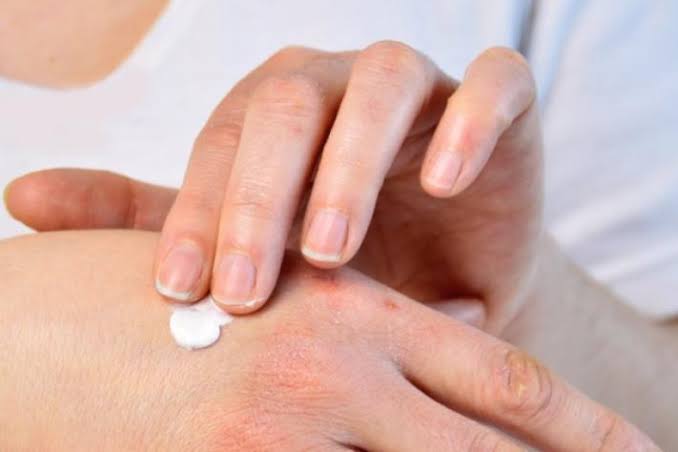

Finding the best hand creams for dry skin can make a significant difference in keeping your hands soft, smooth, and comfortable throughout the day. Our hands are exposed to frequent washing, harsh soaps, cleaning products, cold weather, and environmental pollution, all of which can weaken the skin’s natural protective barrier. When this barrier loses moisture, the skin may become rough, flaky, tight, or irritated. Regular hand care helps restore hydration and protect the skin from further dryness.
A good hand cream does more than provide temporary softness. It helps attract moisture, reduce water loss, and support the skin’s natural repair process. However, not every formula works equally well for every skin type. Some creams are lightweight and absorb quickly, while others contain richer ingredients designed for extremely dry or cracked hands. Understanding your skin’s needs and learning which ingredients to look for can help you choose a suitable product for everyday use.
Why Do Hands Become Dry?
The skin on our hands experiences more frequent contact with water, soap, and external irritants than many other areas of the body. Repeated washing can remove natural oils that help maintain moisture. When these oils are depleted, the skin becomes more vulnerable to dehydration and irritation.
Weather conditions also play an important role. Cold temperatures, dry air, air conditioning, and low humidity can increase moisture loss. People who work with cleaning products, sanitizers, detergents, or industrial materials may experience additional dryness because these substances can affect the skin barrier.
Other contributing factors include aging, sensitive skin, certain skin conditions, and inadequate moisturizing habits. Some people notice dryness around their knuckles, fingertips, and nails, while others experience rough palms or peeling skin. Identifying the likely cause of dryness is the first step toward choosing an effective hand cream and developing a consistent care routine.
Best Hand Creams for Dry Skin: What Should You Look For?
The best hand creams for dry skin usually combine moisturizing, water-binding, and protective ingredients. These ingredients work together to improve skin softness and reduce moisture loss. Instead of selecting a product based only on its fragrance or packaging, examine its ingredient list and texture.
Humectants such as glycerin and hyaluronic acid attract water to the outer layers of the skin. Emollients, including shea butter and certain plant oils, help soften rough areas and improve the skin’s feel. Occlusive ingredients, such as petrolatum and dimethicone, create a protective layer that helps reduce water loss.
The right texture depends on your needs. Lightweight lotions may suit people who need frequent applications during work, while thicker creams and ointments are often more practical for severely dry hands or overnight use. Fragrance-free products can be a sensible option for sensitive skin because fragrance may trigger irritation in some individuals.
Types of Hand Creams Worth Considering
Different hand creams serve different purposes. Knowing the main product categories makes it easier to choose a formula that fits your daily routine.
| Hand cream type | Key ingredients to consider | Best suited for |
|---|---|---|
| Lightweight moisturizing lotion | Glycerin, hyaluronic acid | Mild dryness and daytime use |
| Rich nourishing cream | Shea butter, ceramides | Rough and frequently washed hands |
| Barrier-protecting cream | Dimethicone, petrolatum | Hands exposed to water and detergents |
| Intensive repair cream | Petrolatum, glycerin | Very dry or cracked skin |
| Fragrance-free cream | Glycerin, ceramides, emollients | Sensitive or easily irritated skin |
| Overnight hand treatment | Petrolatum, rich emollients | Intensive moisturizing while sleeping |
Remember that the ingredient list is more useful than the product category alone. A well-formulated lotion may work better for your skin than a heavily fragranced cream marketed as intensive care.
Important Ingredients in Hand Creams
Glycerin
Glycerin is a widely used humectant that attracts water and helps improve skin hydration. It is suitable for many skin types and appears in lightweight lotions as well as thick moisturizing creams. When included in a balanced formula, glycerin can help make rough hands feel softer without necessarily leaving a heavy residue.
Shea Butter
Shea butter is an emollient that helps soften the skin and improve its smoothness. It is commonly found in rich creams intended for dry hands. Products containing shea butter may be particularly appealing during colder months when the skin needs extra nourishment.
Ceramides
Ceramides are lipids that support the skin’s protective barrier. Moisturizers containing ceramides can help replenish components of the outer skin layer and reduce moisture loss. They are worth considering if your hands become dry from frequent washing or exposure to dry environments.
Petrolatum
Petrolatum is an effective occlusive ingredient that forms a protective layer on the skin. It is particularly useful for very dry areas, rough knuckles, and minor cracks caused by dryness. Its thicker texture may feel greasy, so some people prefer using petrolatum-rich products before bed.
Urea
Urea helps attract moisture and, at suitable concentrations, can soften rough, thickened skin. It is often included in products designed for particularly dry hands. However, urea-containing creams may sting when applied to open cracks or irritated skin, so a gentler formula may be preferable in those situations.
How to Choose a Hand Cream for Your Skin Type
Choosing a suitable product begins with understanding how your hands feel throughout the day. If your skin becomes slightly dry after washing, a lightweight moisturizer containing glycerin may provide enough hydration. If your hands feel tight, rough, or flaky, consider a richer cream with shea butter, ceramides, or other emollients.
For severely dry hands, a thicker fragrance-free cream or ointment containing petrolatum may help reduce moisture loss. People with sensitive skin should look for simple formulas without added fragrance and avoid products that consistently cause burning, redness, or itching.
Your lifestyle also matters. Office workers may prefer fast-absorbing creams that allow them to type comfortably, while people who frequently wash their hands may benefit from keeping a moisturizer near the sink. If you work outdoors, consider a product that provides lasting moisturization without making your hands uncomfortable during daily activities.
Best Hand Creams for Dry Skin: Features to Compare
When comparing the best hand creams for dry skin, focus on practical features rather than relying exclusively on marketing claims. The most suitable option should address your level of dryness, absorb comfortably, and fit your budget.
- Moisturizing ingredients: Look for glycerin, ceramides, shea butter, or petrolatum according to your needs.
- Texture: Choose a lotion for quick application or a thicker cream for more intensive care.
- Fragrance: Fragrance-free products may be preferable for sensitive or irritated skin.
- Absorption: Consider how quickly the product absorbs if you use your hands immediately afterward.
- Packaging: A tube or small container is convenient for carrying in a handbag, backpack, or work bag.
- Value for money: Compare the quantity, ingredient quality, and frequency of application rather than choosing solely by price.
There is no single hand cream that works best for everyone. A formula that feels comfortable and improves your skin consistently is generally a better choice than an expensive product that does not suit your needs.
How to Apply Hand Cream for Better Results
Even a high-quality hand cream may not provide lasting comfort if you apply it irregularly. The most effective approach is to moisturize frequently, particularly after activities that remove moisture from the skin.
After washing your hands, gently pat them dry with a clean towel while leaving the skin slightly damp. Apply a generous amount of cream, spreading it across your palms, the backs of your hands, your fingers, and the areas around your nails. Pay particular attention to the knuckles and fingertips, where dryness may be more noticeable.
Reapply after washing your hands and whenever your skin begins to feel tight. Before going to bed, use a thicker cream or a thin layer of an appropriate ointment if your hands need extra care. Cotton gloves worn overnight can help keep the product in place, provided they are clean and comfortable.
Avoid very hot water and harsh soaps when possible. If your hands frequently come into contact with detergents or cleaning chemicals, wear suitable protective gloves. These small habits can support the skin barrier and make your moisturizing routine more effective.
Common Mistakes to Avoid When Moisturizing Hands
One common mistake is applying hand cream only when the skin becomes extremely dry. Regular application helps maintain hydration before discomfort develops. Keeping a small tube near your desk, sink, or bedside table can make consistent use easier.
Another mistake is choosing a product based only on fragrance or a luxurious texture. Pleasant scents can improve the user experience, but they do not necessarily indicate better moisturizing performance. People with sensitive skin may find fragranced products irritating.
Using too little cream can also limit results, particularly when the hands are very dry. Make sure the entire surface is covered, including the backs of your hands and the spaces around your fingers. At the same time, avoid assuming that thicker is always better; the ideal texture is one you can use consistently.
Finally, do not ignore persistent cracking, bleeding, swelling, or intense itching. These symptoms may indicate eczema, contact dermatitis, or another skin problem that requires professional assessment rather than moisturizer alone.
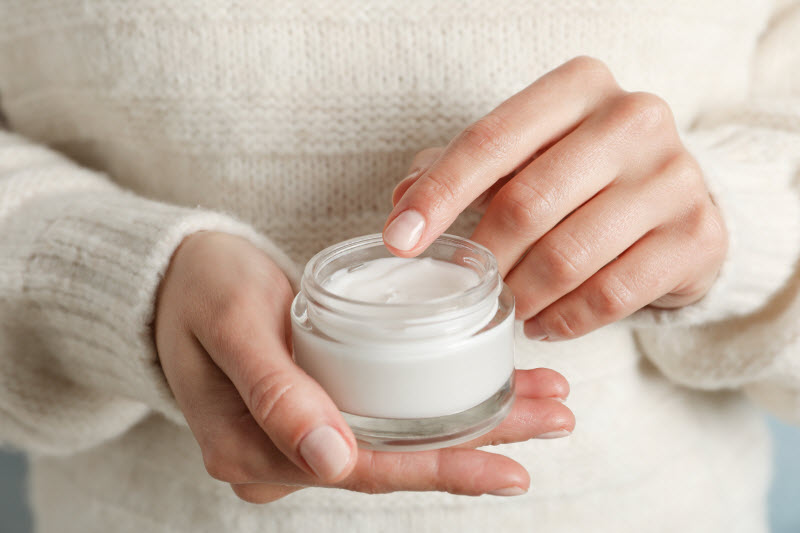
Natural Ways to Prevent Dry Hands
Hand creams work best when combined with habits that reduce moisture loss. Wash your hands with lukewarm water and a gentle cleanser instead of using unnecessarily hot water or aggressive soaps. Dry your hands carefully, without vigorous rubbing, and apply moisturizer immediately afterward.
During household cleaning, use appropriate protective gloves to limit contact with detergents and other irritants. If you spend time outdoors in cold or windy weather, wear gloves to protect your skin. In dry indoor environments, maintaining comfortable humidity may also help reduce skin dryness.
Pay attention to how your skin responds to products. If a moisturizer causes persistent stinging, redness, or itching, discontinue its use and consider a simpler formula. Avoid exfoliating dry or cracked hands aggressively, as this can further irritate the skin.
Consistency is more important than following an elaborate routine. Gentle cleansing, regular moisturizing, and protection from irritants can help maintain softer hands over time.
When Should You Seek Professional Advice?
Occasional dryness often improves with regular moisturizing and changes to daily habits. However, some symptoms require additional attention. Consult a healthcare professional if your hands remain very dry despite consistent care, or if you experience deep cracks, bleeding, persistent redness, swelling, blisters, or severe itching.
Conditions such as hand eczema and allergic or irritant contact dermatitis can resemble ordinary dryness. A clinician can help identify the cause and recommend suitable treatment. If a product repeatedly causes a reaction, stop using it rather than continuing in the hope that your skin will adjust.
Seek prompt medical attention if a crack or wound develops increasing pain, warmth, spreading redness, or pus, as these can be signs of infection. Moisturizers can support skin care, but they cannot replace appropriate medical treatment when an underlying condition is present.
Conclusion
Choosing the best hand creams for dry skin involves understanding your skin’s needs, comparing moisturizing ingredients, and selecting a formula that feels comfortable enough for regular use. Glycerin helps attract moisture, shea butter softens rough skin, ceramides support the skin barrier, and petrolatum helps reduce water loss. Fragrance-free products may be especially helpful for people who experience irritation.
For everyday dryness, a lightweight lotion may be sufficient, while very dry hands often benefit from a richer cream or ointment. Applying moisturizer after washing, protecting your hands from harsh cleaning products, and maintaining a consistent routine can improve comfort and softness. If dryness persists or becomes painful, professional advice can help identify the underlying cause and guide appropriate treatment.
Ultimately, the right hand cream is one that addresses your specific concerns, suits your lifestyle, and helps keep your hands hydrated throughout the day.