
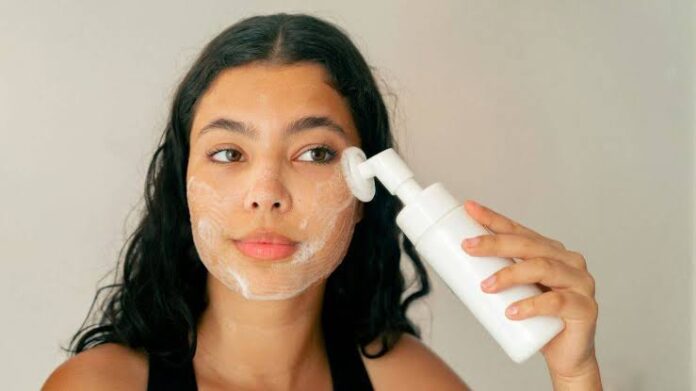

Oily skin is a common skin type characterised by excess sebum production, a shiny appearance, enlarged pores, and a greater tendency to develop blackheads, whiteheads, and acne. Sebum is a natural oil produced by the sebaceous glands that helps protect and moisturise the skin. However, when the skin produces too much oil, it can become difficult to maintain a fresh, balanced appearance throughout the day. The right skin care habits can help manage excess shine without stripping away essential moisture.
A consistent skin care routine for oily skin should focus on gentle cleansing, lightweight hydration, appropriate skincare ingredients, and daily sun protection. Rather than using harsh products to remove every trace of oil, the goal is to maintain a healthy skin barrier while reducing clogged pores and unnecessary irritation. With a simple morning and evening routine, you can improve the appearance of your skin and develop habits that support long-term skin health.
Understand the Causes of Oily Skin
Oily skin develops when the sebaceous glands produce more sebum than the skin needs. Genetics play an important role, but hormonal changes, stress, environmental conditions, and certain skincare products can also influence oil production. Some people naturally have oily skin throughout adulthood, while others notice increased oiliness during adolescence, menstruation, or other hormonal changes.
Hot and humid weather may make oily skin feel more noticeable because sweat and sebum can accumulate on the surface. Using heavy creams, frequently touching the face, and cleansing too aggressively may also contribute to irritation or clogged pores. It is important to understand that oil production is not necessarily a sign of poor hygiene. Washing the face repeatedly will not permanently reduce sebum production and may leave the skin dry or irritated.
Identifying your skin’s specific needs makes it easier to choose appropriate products. If your forehead, nose, and chin become shiny while your cheeks remain dry, you may have combination skin rather than uniformly oily skin.
Cleanse Your Face Gently
Cleansing is the foundation of an effective skincare routine. A gentle cleanser removes excess oil, sweat, sunscreen, makeup, and everyday impurities without excessively drying the skin. Choose a mild, non-comedogenic cleanser that suits your skin’s sensitivity and does not leave your face feeling tight or uncomfortable.
Wash your face in the morning and before bedtime. Use lukewarm water and massage the cleanser gently over your skin with clean fingertips. Rinse thoroughly and pat your face dry with a soft towel. Avoid vigorous scrubbing, rough exfoliating brushes, and very hot water because these can damage the skin barrier and worsen irritation.
If you exercise or sweat heavily during the day, rinsing your face or gently cleansing it afterward may be helpful. However, repeated washing throughout the day is usually unnecessary. A reliable skin care routine for oily skin starts with consistency rather than aggressive oil removal.
Choose the Right Moisturiser
Many people with oily skin avoid moisturisers because they believe these products will make their faces greasier. In reality, oily skin still needs hydration. Skipping moisturiser can leave the skin uncomfortable and encourage people to rely on harsh products that compromise the skin barrier.
Look for a lightweight, oil-free or non-comedogenic moisturiser with a gel or lotion texture. Ingredients such as glycerin, hyaluronic acid, and ceramides can help attract or retain moisture and support the skin barrier. You do not necessarily need an expensive product or a complicated formula to achieve good results.
Apply moisturiser after cleansing while the skin is slightly damp. Use an amount appropriate for your face and adjust it according to the weather and your skin’s response. During hot months, a lightweight gel may feel more comfortable, while a slightly richer lotion may be suitable during colder weather. The best moisturiser is one that keeps your skin comfortable without causing unwanted breakouts.

Apply Sunscreen Every Morning
Sunscreen is an essential part of daily skincare, regardless of whether your skin is oily, dry, or combination. Sun exposure can contribute to premature ageing, uneven pigmentation, and skin damage. People with oily skin may prefer lightweight sunscreen formulas that feel comfortable and do not leave a heavy or greasy finish.
Choose a broad-spectrum sunscreen with SPF 30 or higher. Gel-based, fluid, matte-finish, or non-comedogenic formulas may be suitable options, although individual products can behave differently on different skin types. Apply sunscreen generously to exposed skin as the final step of your morning skincare routine, before makeup.
Reapply approximately every two hours when outdoors and after swimming, sweating, or towel drying, following the product’s directions. Remember that sunscreen is important even when the weather is cloudy. A good morning routine combines cleansing, moisturising, and sun protection to help maintain healthier-looking skin over time.
Build a Simple Morning Skincare Routine
A morning routine should prepare your skin for the day without adding unnecessary steps. Too many products can increase the risk of irritation and make it harder to identify which ingredients work well for you. Start with a basic routine and introduce additional products only when there is a clear reason to use them.
Follow these morning steps:
- Cleanse: Use a gentle facial cleanser to remove overnight oil and impurities.
- Apply a serum if needed: Niacinamide may help improve the appearance of pores and regulate the look of excess shine.
- Moisturise: Choose a lightweight product that supports the skin barrier.
- Apply sunscreen: Finish with broad-spectrum SPF 30 or higher.
Allow each product to settle before applying the next, especially if you use makeup. If your skin is sensitive, begin with fewer products and observe how your face responds. A simple routine that you follow consistently is generally more practical than a lengthy routine filled with products you do not need.
Follow an Effective Nighttime Routine
Nighttime skincare helps remove the day’s accumulated sunscreen, makeup, sweat, and impurities. It is also a convenient time to use selected skincare ingredients that address specific concerns, such as clogged pores or acne.
Begin by cleansing your face thoroughly. If you wear water-resistant sunscreen or makeup, you may benefit from an appropriate makeup remover or cleansing oil followed by a gentle water-based cleanser. Double cleansing is optional rather than necessary for everyone, so avoid adding it if a single cleanse works well.
After cleansing, apply a suitable moisturiser. If blackheads and clogged pores are persistent concerns, a product containing salicylic acid may help because this ingredient can penetrate oily pores. Introduce it gradually and follow the product instructions. Avoid combining several strong exfoliating products at once, particularly if your skin is sensitive.
A consistent skin care routine for oily skin at night should leave your face clean and comfortable, not tight, burning, or excessively dry. If irritation develops, reduce the use of active ingredients and return to gentle cleansing and moisturising until your skin settles.
Skincare Ingredients That May Help Oily Skin
Choosing products based on their ingredients can help you address excess shine and clogged pores more effectively. However, no single ingredient works equally well for everyone, and using more products does not necessarily produce better results.
| Ingredient | Potential benefit | How to use it |
|---|---|---|
| Niacinamide | May help improve the appearance of oiliness and uneven skin tone | Use a suitable serum or moisturiser |
| Salicylic acid | Helps exfoliate inside pores and manage blackheads | Introduce gradually according to directions |
| Hyaluronic acid | Helps attract and retain moisture | Apply in a hydrating serum or moisturiser |
| Glycerin | Supports skin hydration | Look for it in cleansers and moisturisers |
| Ceramides | Help support the skin’s protective barrier | Use in a suitable moisturiser |
| Benzoyl peroxide | Can help treat inflammatory acne | Use an appropriate acne product as directed |
Introduce one new active ingredient at a time. Patch-test new products when appropriate, and discontinue use if you experience significant irritation. People with persistent or severe acne should consider seeking advice from a qualified dermatologist instead of relying entirely on over-the-counter products.
Common Skincare Mistakes to Avoid
Even high-quality skincare products may not help if they are used incorrectly. One of the most common mistakes is washing the face too frequently to eliminate oil. Excessive cleansing and harsh scrubbing can irritate the skin and weaken its protective barrier without addressing the underlying causes of oil production.
Another mistake is avoiding moisturiser altogether. Hydration remains important for oily skin, and lightweight formulas can help maintain comfort without adding an excessively greasy feel. Using several exfoliating acids, strong acne treatments, or alcohol-heavy products simultaneously may also increase dryness and irritation.
Avoid squeezing blackheads and pimples because this can increase inflammation and the risk of marks or scarring. Do not expect pores to disappear permanently; their appearance may improve when they are kept clear, but pore size is also influenced by genetics and other factors.
Keep these practical tips in mind:
- Wash your face gently twice daily rather than repeatedly.
- Choose non-comedogenic products where possible.
- Clean makeup brushes regularly and avoid sharing personal skincare items.
- Remove makeup before sleeping.
- Avoid introducing several new products at the same time.
- Be patient and consistent when evaluating results.
Lifestyle Habits for Healthier-Looking Skin
Skincare products are only one part of maintaining healthy skin. Daily habits, sleep quality, stress management, and personal hygiene can influence how your skin looks and feels. Although lifestyle changes cannot eliminate genetically determined oil production, they can support overall skin health.
Eat a balanced diet that includes vegetables, fruits, whole grains, healthy fats, and suitable sources of protein. Research suggests that high-glycaemic diets may worsen acne in some individuals, although dietary responses vary. You do not need to eliminate entire food groups without a clear reason. Drink water regularly to maintain normal hydration, but remember that drinking extra water alone will not stop oily skin.
Aim for sufficient sleep and find manageable ways to reduce stress, such as walking, exercise, reading, or relaxation techniques. Change pillowcases regularly, keep your phone screen clean, and avoid frequently touching your face with unwashed hands. If you notice that certain products or dietary patterns consistently coincide with breakouts, keep a simple record and discuss persistent concerns with a healthcare professional.
How Long Does It Take to See Results?
Skincare improvements usually require patience. A gentle cleanser and moisturiser may make your face feel more comfortable within a short period, but concerns such as blackheads, acne, and uneven texture often take longer to improve.
Give a basic routine time to work before making frequent changes. Many acne treatments require several weeks, and some may take around six to eight weeks or longer to show noticeable improvement. The timeframe depends on the ingredient, the severity of the concern, and how consistently the product is used.
If a product causes burning, swelling, a rash, or persistent irritation, stop using it and seek appropriate advice. Consult a dermatologist if acne is painful, leaves scars, continues to worsen, or does not improve with suitable over-the-counter care. Professional guidance can help identify the most appropriate treatment and prevent unnecessary irritation from experimenting with multiple products.
Conclusion
Maintaining oily skin does not require an expensive collection of skincare products or a complicated daily routine. The most important steps are gentle cleansing, lightweight moisturising, regular sunscreen use, and carefully selected ingredients that address your individual concerns. Consistency is more valuable than frequently changing products or trying to remove every trace of natural oil.
An effective skin care routine for oily skin should keep your face comfortable while helping manage excess shine, clogged pores, and breakouts. Combine suitable skincare products with healthy lifestyle habits, introduce new ingredients gradually, and give your routine enough time to work. If persistent acne or irritation affects your skin, professional advice can help you find a safer and more effective approach. With patience and the right habits, you can support a balanced skin barrier and maintain a fresh, healthy-looking complexion.